

In the ever-evolving landscape of finance, the term ‘Crypto Bubble’ has become a hot topic, sparking curiosity and concern among investors. But what does it really mean for you and the future of digital currency? In our article, “Understanding the Crypto Bubble: What It Means for Investors and the Future of Digital Currency,” we’ll demystify this phenomenon. By grasping its nuances, you’ll not only safeguard your investments but also position yourself to seize opportunities in this digital frontier. Join us and navigate the crypto world with confidence!
What is a Crypto Bubble?
A Crypto Bubble refers to a situation where the prices of cryptocurrencies inflate rapidly beyond their intrinsic value, driven largely by speculation, hype, and investor enthusiasm. This phenomenon is not unique to cryptocurrencies; similar bubbles have been observed in various markets throughout history. The term “bubble” typically implies that the asset’s price is set to burst, leading to a significant drop in value.
Key Characteristics of a Crypto Bubble:
- Rapid Price Increase: Prices shoot up dramatically over a short period.
- Speculative Trading: Investors buy not based on the asset’s fundamentals but on the hope of selling at a higher price.
- Media Hype: Increased media coverage and public interest often exacerbate the bubble.
- Lack of Regulation: The relatively unregulated nature of cryptocurrencies allows for more significant price manipulation.

The Psychology Behind Crypto Bubbles
Investor psychology plays a crucial role in the formation of a Crypto Bubble. When prices rise, fear of missing out (FOMO) drives more people to invest, further inflating the bubble. Understanding this psychology can help investors make more informed decisions.
“In the world of crypto, fear and greed often dictate market movements more than fundamentals.”
The History of Crypto Bubbles
The cryptocurrency market has witnessed several significant bubbles. Here’s a brief overview of some of the most notable instances:
| Year | Event | Peak Price | Market Cap |
|---|---|---|---|
| 2013 | Bitcoin’s first major spike | $1,200 | $13 billion |
| 2017 | The ICO craze | $20,000 | $800 billion |
| 2021 | Dogecoin and NFT explosion | $69,000 | $2.5 trillion |
| 2022 | The collapse of TerraUSD | $0.02 | N/A |
Major Events Leading to Crypto Bubbles:
- Bitcoin’s Rise: The 2017 Bitcoin surge was fueled by mainstream media coverage and retail investor interest.
- ICO Craze: During the 2017 ICO boom, many investors bought tokens with little knowledge of their utility or technology.
- NFTs and Memecoins: The rise of NFTs and memecoins in 2021 led to speculative trading reminiscent of the dot-com bubble.

“Understanding the history of crypto bubbles can help investors identify patterns and make better decisions.”
Major Crypto Bubbles: A Comparative Analysis
To better understand Crypto Bubbles, it’s essential to compare their key metrics. Below is a detailed comparison of different crypto bubbles, focusing on their market cap and trading volume.
| Bubble Event | Market Cap (at Peak) | Trading Volume (24h) | Duration |
|---|---|---|---|
| 2013 Bitcoin Spike | $13 billion | $1.5 billion | 3 months |
| 2017 ICO Boom | $800 billion | $40 billion | 6 months |
| 2021 NFT Surge | $2.5 trillion | $20 billion | 12 months |
Insights from the Comparison:
- Market Cap: The 2021 NFT bubble had the highest market cap, reflecting increased investor interest and speculation.
- Trading Volume: The trading volume during the 2017 bubble was significantly higher, indicating more active trading.
Why Do These Bubbles Matter?
Understanding these bubbles can help investors gauge market sentiment, identify potential investment opportunities, and recognize the risks involved in speculative trading.

Factors Contributing to the Crypto Bubble
Several factors contribute to the formation of a Crypto Bubble. Understanding these can help investors navigate the volatile landscape of cryptocurrencies effectively.
Key Factors:
- Market Sentiment: Positive or negative news can drive prices up or down.
- Technological Innovations: New technologies, such as blockchain advancements, can create investor excitement.
- Regulatory Changes: Changes in regulations can either encourage or discourage investment.
- Celebrity Endorsements: Public figures and influencers can sway public sentiment and investment decisions.
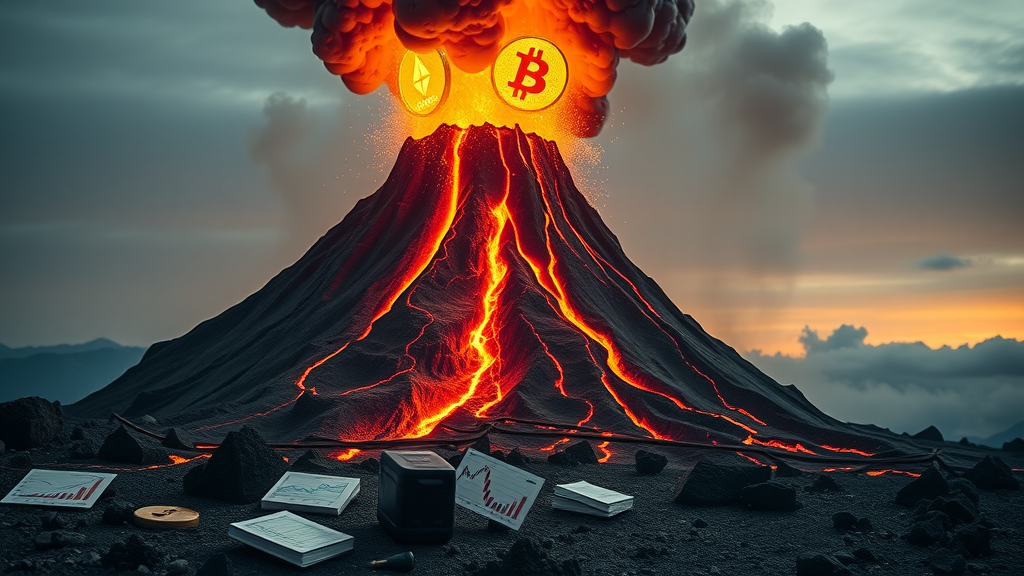
“Market sentiment is often a double-edged sword; it can lead to incredible gains or severe losses in the crypto space.”
Current Trends in the Cryptocurrency Market
The cryptocurrency market is known for its rapid changes and trends. Currently, several key trends are shaping the market:
- Increased Institutional Investment: More hedge funds and institutional investors are entering the market.
- Regulatory Scrutiny: Governments are starting to impose regulations on cryptocurrency exchanges and transactions.
- Emergence of DeFi: Decentralized finance (DeFi) platforms are gaining popularity, attracting both retail and institutional investors.
Market Data Overview:
- Bitcoin Price: As of now, Bitcoin is trading around $40,000.
- Market Cap: The total market cap of cryptocurrencies is approximately $1.5 trillion.

Understanding Hedge Funds and Their Role in Crypto Bubbles
Hedge funds have become significant players in the cryptocurrency space. They bring substantial capital and expertise, which can influence market trends and price movements.
How Hedge Funds Operate in the Crypto Market:
- Investment Strategies: Hedge funds often employ complex strategies to maximize returns, including arbitrage and long/short positions.
- Market Influence: Their large trades can significantly impact prices, contributing to the formation of crypto bubbles.
- Risk Management: Hedge funds utilize sophisticated risk management techniques to mitigate losses during downturns.

Key Players: Who is Buying Bitcoin?
The landscape of Bitcoin investors is diverse, ranging from individual retail investors to large institutional players.
Types of Investors:
- Retail Investors: Individuals investing small amounts, often driven by FOMO.
- Institutional Investors: Hedge funds, family offices, and corporations investing large sums.
- Crypto Enthusiasts: Tech-savvy individuals who believe in the long-term potential of cryptocurrencies.

Impact of Regulations on the Crypto Market
Regulatory frameworks play a crucial role in shaping the cryptocurrency market. Stricter regulations can stabilize the market, while a lack of regulation can lead to speculative bubbles.
Current Regulatory Status:
- Increased Scrutiny: Governments worldwide are focusing on regulating cryptocurrencies.
- Compliance Requirements: Crypto exchanges are required to implement KYC (Know Your Customer) and AML (Anti-Money Laundering) measures.
- Potential for Innovation: Positive regulations can foster innovation and attract further investment.
The Future of Digital Assets: Predictions and Speculations
As the cryptocurrency market matures, predictions about its future are abundant. Analysts have varying opinions on what lies ahead for digital assets.
Speculative Predictions:
- Increased Adoption: More businesses may start accepting cryptocurrencies as payment.
- Market Maturity: The market could stabilize, reducing the frequency and severity of bubbles.
- Technological Advancements: Innovations in blockchain technology could lead to new investment opportunities.

The Good Feeling of Investing in Crypto: Risks and Rewards
Investing in cryptocurrencies can evoke a sense of excitement and opportunity, but it also comes with risks.
Rewards:
- High Returns: Potential for significant returns on investment during bull markets.
- Diversification: Cryptocurrencies can diversify an investment portfolio.
Risks:
- Market Volatility: Prices can fluctuate dramatically, leading to potential losses.
- Lack of Regulation: The unregulated nature of cryptocurrencies can expose investors to fraud and scams.

Ratings and Reviews of Crypto Exchanges
Choosing the right crypto exchange is crucial for investors. Ratings and reviews can provide valuable insights into the reliability and security of different platforms.
Factors to Consider:
- User Experience: Ease of use and customer support.
- Security Measures: Implementation of security protocols to protect user funds.
- Fees: Transaction fees and withdrawal fees.

Key Takeaways on Crypto Bubbles
As we conclude our exploration of Crypto Bubbles, here are the key takeaways to keep in mind:
- Understand the Dynamics: Recognize the factors that contribute to the formation of bubbles.
- Stay Informed: Keep up-to-date with market trends and regulatory changes.
- Be Cautious: Invest wisely and avoid making decisions based solely on FOMO.
- Diversify Investments: Consider a balanced approach to your investment portfolio.

Frequently Asked Questions
What is a Crypto Bubble?
A Crypto Bubble is a market condition where the prices of cryptocurrencies rise rapidly due to speculation, often leading to a significant drop in value.
How can I protect myself from a Crypto Bubble?
Stay informed about market trends, diversify your investments, and avoid making decisions based on speculation.
Are all cryptocurrencies subject to bubbles?
Yes, while not all cryptocurrencies experience bubbles, the nature of speculative trading means that many can be prone to rapid price fluctuations.
What role do regulations play in crypto?
Regulations can provide a framework for the cryptocurrency market, potentially reducing volatility and fostering investor confidence.
Conclusion
In conclusion, navigating the world of cryptocurrencies requires a solid understanding of Crypto Bubbles and the factors influencing them. By arming yourself with knowledge, you can make informed investment decisions in this exciting yet volatile market.
Call to Action
To learn more, visit our website www.cryptoinsightstoday.com.
Key Takeaways Summary:
- Understand the dynamics of Crypto Bubbles.
- Stay informed on market trends and regulations.
- Invest cautiously and avoid speculative decisions.
- Diversify your investment portfolio for better security.
Embedded Video



Write A Comment